
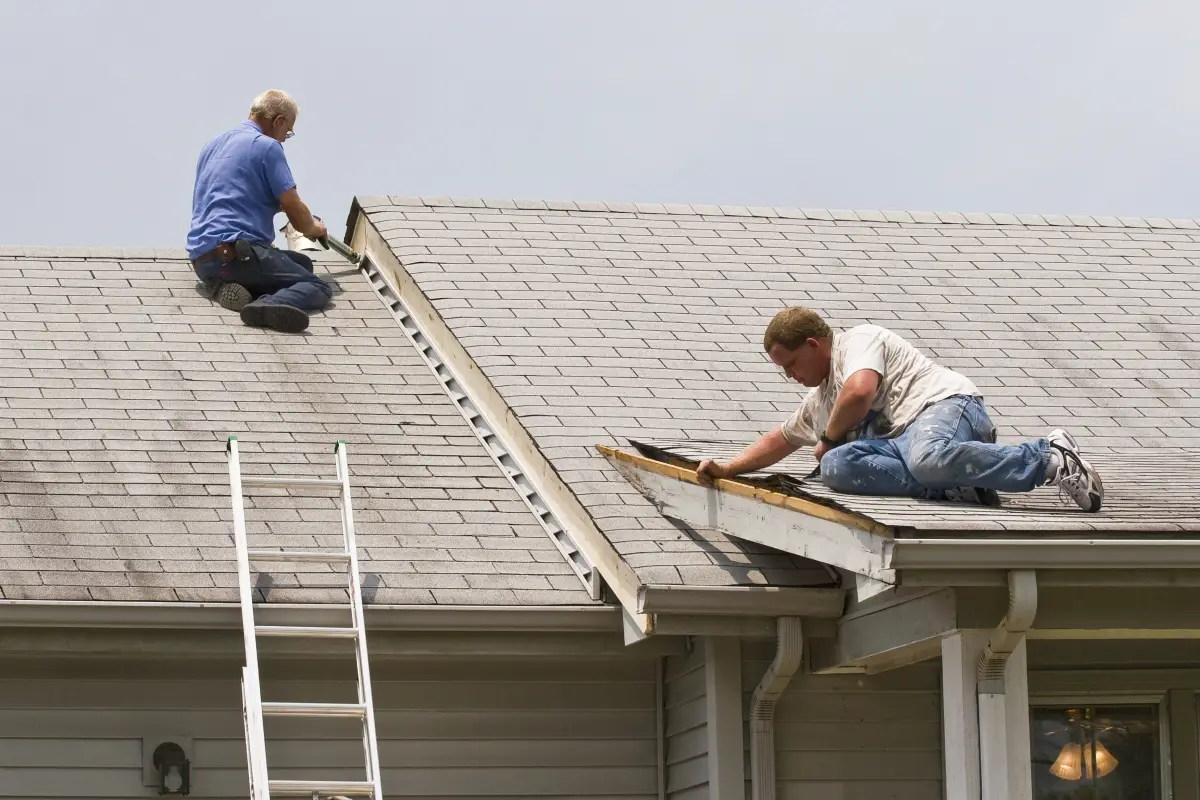
A repair gets handled, then it shows up again weeks later. That pattern becomes easier to spot when reviewing your rental income snapshot, especially when similar issues repeat across different units. It may seem like a coincidence at first, but repeated repairs usually signal something more serious.
Over time, these patterns create unnecessary expenses, disrupt daily operations, and wear down tenant confidence. Addressing the root cause early gives you more control over costs and keeps your property running smoothly.
Key Takeaways
- Recurring repairs often reveal deeper system inefficiencies
- Quick fixes tend to increase long-term maintenance costs
- Delaying upgrades leads to more frequent breakdowns
- Tracking repair patterns uncovers hidden performance gaps
- Reliable solutions improve tenant satisfaction and retention
When the Same Issue Keeps Coming Back
One repair is expected. When it keeps happening, it usually means the original problem wasn’t fully resolved.
Recurring maintenance often connects to aging systems, poor installation, or overlooked structural issues. Many landlords begin noticing these patterns while refining their tenant concern guide, especially when requests repeat across different months.
Common Patterns That Signal Trouble
Certain issues tend to repeat more often than others:
- Plumbing clogs that return after clearing
- HVAC systems that require constant service
- Electrical issues that reappear after repair
These patterns are a strong indicator that surface-level fixes are not enough.
The Real Cost of Repeated Repairs
At first glance, small repairs may not seem expensive. Over time, they create a steady financial drain.
Housing trends show how costs are rising. Median monthly housing expenses reached $2,035 in 2024, reflecting how maintenance contributes to growing property costs.
Each repair visit adds labor, materials, and coordination time. When the same issue keeps returning, those costs multiply quickly.
How Costs Add Up
- Frequent service visits
- Increased labor and material expenses
- More time spent managing recurring issues
Fixing the root cause early can prevent these costs from escalating.
Why Temporary Fixes Create Long-Term Problems
Quick fixes may restore function temporarily, but they rarely solve the deeper issue.
Improving your leasing process with better tenant screening steps can reduce misuse, but system inefficiencies still require proper repairs.
What Happens With Short-Term Solutions
- Problems return within a short period
- Tenants experience repeated disruptions
- Maintenance costs continue to rise
Permanent solutions reduce both cost and inconvenience while improving reliability.
Delaying Upgrades Makes Repairs More Frequent
Holding off on upgrades often leads to more frequent breakdowns. Aging systems become less efficient and require more attention over time.
Reviewing your rental budget plan helps determine when it makes sense to replace a system rather than continue repairing it.
Long-Term Effects of Delayed Upgrades
- Increased repair frequency
- Higher energy costs
- Reduced system lifespan
- Greater risk of unexpected failures
Replacing systems at the right time improves efficiency and reduces ongoing maintenance.
A Wider Look at Maintenance Costs
Recurring repairs are not limited to one property. They reflect a larger trend across the housing market.
Studies show that repair needs reached $198.4 billion in a single year, largely due to unresolved issues that continue to repeat.
This highlights the importance of proactive maintenance. Addressing problems early helps reduce long-term expenses and improve property performance.
How Recurring Repairs Affect Tenants
Tenants expect issues to be fixed properly. When the same problem returns, it creates frustration.
Even when repairs are handled quickly, repeated disruptions affect how tenants feel about the property. Over time, this can reduce satisfaction and trust.
Investing in improvements through green upgrade ideas can reduce recurring issues while improving efficiency.
Signs Tenants Are Losing Confidence
- Repeat complaints about the same issue
- Frustration with maintenance visits
- Lower satisfaction over time
- Hesitation during lease renewal
Reliable maintenance helps build stronger tenant relationships.
The Connection Between Repairs and Turnover
Recurring maintenance problems often lead to higher tenant turnover. Even small issues can affect daily comfort and influence a tenant’s decision to leave.
Turnover increases costs through vacancy periods, marketing efforts, and onboarding new tenants. These expenses can add up quickly.
Using structured property return tools helps you understand how maintenance decisions impact long-term profitability.
Building a Stronger Maintenance Strategy
Breaking the cycle of repeat repairs requires a shift in approach. Instead of reacting to problems, focus on preventing them.
Practical Steps to Improve Maintenance
- Track repair frequency and location
- Identify patterns across units
- Schedule preventive maintenance
- Replace outdated systems when needed
Access to owner support tools allows you to monitor performance and identify inefficiencies more effectively.
Using consistent strategies helps reduce repeat issues and improve overall efficiency.
Why Preventive Maintenance Makes a Difference
Preventive maintenance is one of the most effective ways to reduce recurring repairs. Instead of waiting for problems to appear, regular inspections allow you to address issues early.
Routine system checks can identify wear and tear before it leads to breakdowns. This approach helps extend the lifespan of major systems and reduces unexpected repair costs.
Preventive care also creates a more predictable maintenance schedule. Instead of dealing with urgent repairs, you can plan ahead and manage costs more effectively.
FAQs about Recurring Repairs and Rental Property Efficiency in Jonesboro, AR
Why do some repairs seem fixed but fail again shortly after?
This usually happens when the initial repair only addressed the visible issue rather than the underlying cause, allowing the same problem to develop again and require additional service within a short period.
What type of maintenance tracking helps reveal hidden repair patterns?
Keeping records that include repair dates, issue types, costs, and exact locations helps uncover trends over time, making it easier to identify recurring problems and decide when a long-term solution is necessary.
Do repeated repairs always mean the system needs replacement?
Not always, but when issues continue to return, and repair costs keep rising, it often indicates the system is nearing the end of its lifespan and may require a full replacement for better reliability.
How can recurring maintenance issues affect future rental income?
Ongoing repair problems can lead to higher operating costs, increased vacancies, and reduced tenant satisfaction, all of which can make it harder to maintain steady rental income over time.
What is a practical way to reduce repeat maintenance requests from tenants?
Establishing clear maintenance processes, conducting regular inspections, and addressing issues thoroughly the first time can reduce repeat requests and improve the overall living experience for tenants.
Bring Consistency Back to Your Jonesboro Rental Performance
Repeated service calls tend to point in the same direction, systems that need more than a quick repair. When you shift your focus to long-term solutions, operations become smoother, expenses become more predictable, and tenants notice the difference in day-to-day comfort.
PMI Imagine NEA supports Jonesboro property owners by identifying where recurring issues originate and applying fixes that last. This approach helps reduce disruptions while improving overall property performance.
If ongoing repairs are starting to affect your rental, it’s time to take a different approach. Put an end to repeating repairs with PMI Imagine NEA and move toward a more dependable property experience.
